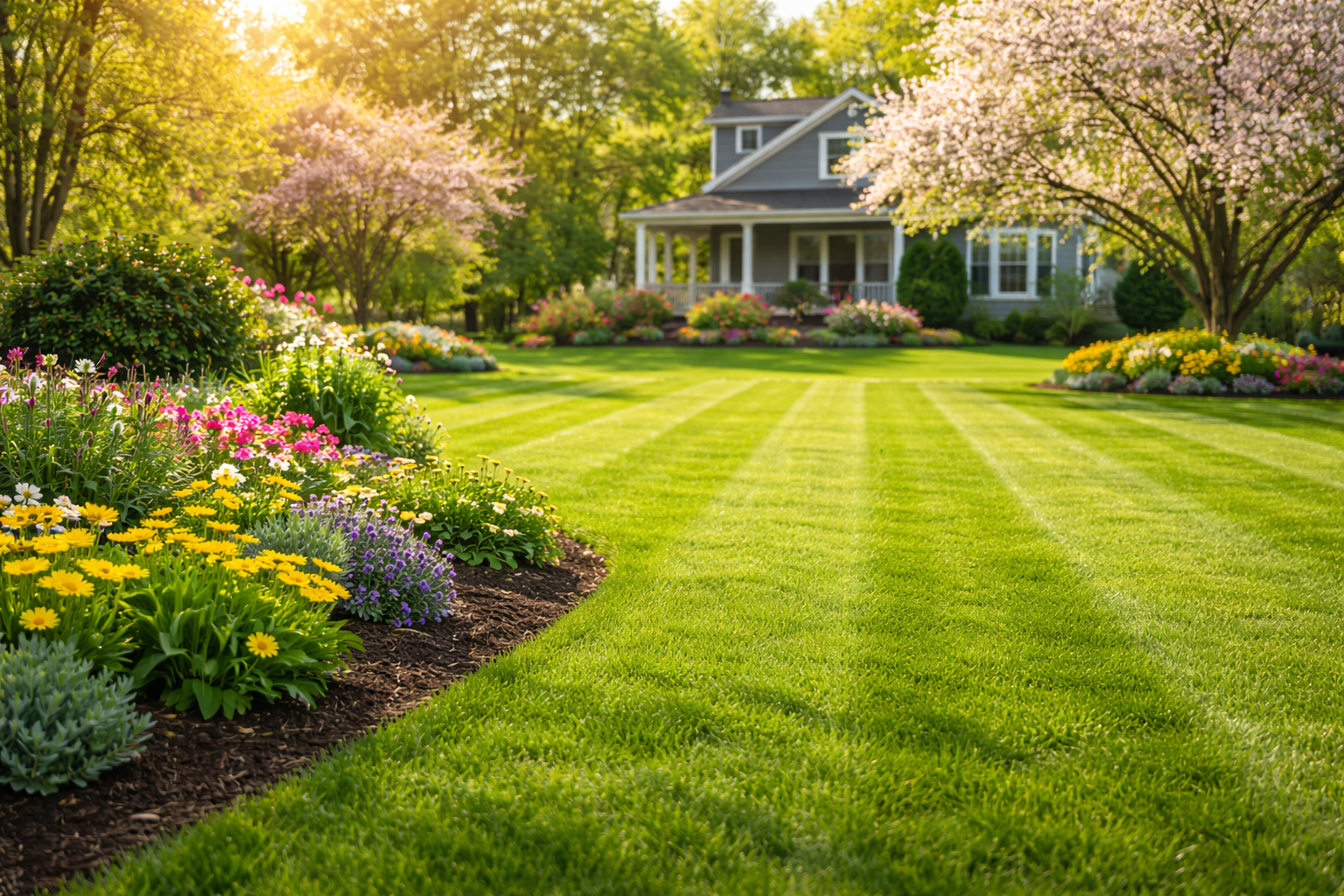
Creative Carbon Capture: Landscaping Techniques for an Eco-Friendly Lawn Jun 03, 2026
The first step in developing an eco-friendly lawn is to select the right kind of grass. Opt for native grass species as they are naturally adapted to the local climate and soil. This means they require less water and fertilizers, thus reducing emissions from water pumping and chemical applications. Native plants also have deeper root systems, enhancing carbon sequestration. Consider adding ornamental grasses and wildflowers that complement your lawn while offering habitats for pollinators.
In addition to grass selection, soil management plays a crucial role in carbon capture. Healthy, organic-rich soil stores a significant amount of carbon. Start by conducting a soil test to determine the pH balance and nutrient levels. Amend your soil with organic compost to enhance its carbon-storing capacity. This not only enriches the soil but also reduces the need for chemical fertilizers. Regularly aerating your lawn will help break compacted soil layers, facilitating better water absorption and root growth, which further aids in carbon capture.
Mulching is another effective technique. Applying a layer of organic mulch around plant bases protects the soil from erosion, retains moisture, and adds organic matter over time, promoting carbon sequestration. Choose natural mulches like wood chips or shredded leaves over synthetic alternatives. As they decompose, they enrich the soil and improve carbon storage.
Incorporating trees and shrubs into your landscaping design is a powerful way to enhance carbon capture. Trees act as natural air filters, absorbing carbon dioxide and releasing oxygen. Strategically place trees around your property to create shade, reducing the need for air conditioning in the hot summer months. This practice not only captures carbon but also lowers your energy bills.
For those looking to incorporate hardscaping elements, consider using sustainably sourced materials. Permeable pavers are an excellent choice as they allow rainwater to seep through, reducing runoff and recharging groundwater supplies. This practice not only aids in managing stormwater but also supports the surrounding landscape's health.
Water management is essential for an eco-friendly lawn. Install a rain barrel to collect rainwater and use it for irrigation. This reduces the demand for treated tap water, cutting down associated energy use and emissions. Drip irrigation systems are another efficient way to water your lawn, minimizing evaporation and ensuring that water reaches plant roots directly.
To maintain an eco-friendly lawn, adopt sustainable mowing practices. Keep your mower blades sharp, and mow during the early morning or late afternoon to reduce stress on your grass. Set your mower to a higher setting; longer grass blades provide more shade to roots, preserving moisture and minimizing evaporation.
In conclusion, a commitment to sustainable landscaping can transform your lawn into a carbon-capturing powerhouse. By implementing these techniques, you contribute to a healthier planet while enjoying the benefits of a lush, vibrant yard. With the right practices and a bit of effort, your lawn can become an integral part of the solution to climate change. Transform your outdoor space with HillyGoat Lawn Care's expert guidance and join the movement towards eco-friendly living.
/filters:no_upscale()/filters:format(webp)/media/9213c6e8-cf98-473a-855e-7b49a54eae45.jpg)
/filters:no_upscale()/filters:format(webp)/media/5e4e7376-cb49-4e5e-988e-f989f3158ea7.png)