Beyond Blooms: Incorporating Textures for a Dynamic Landscape Jul 22, 2026
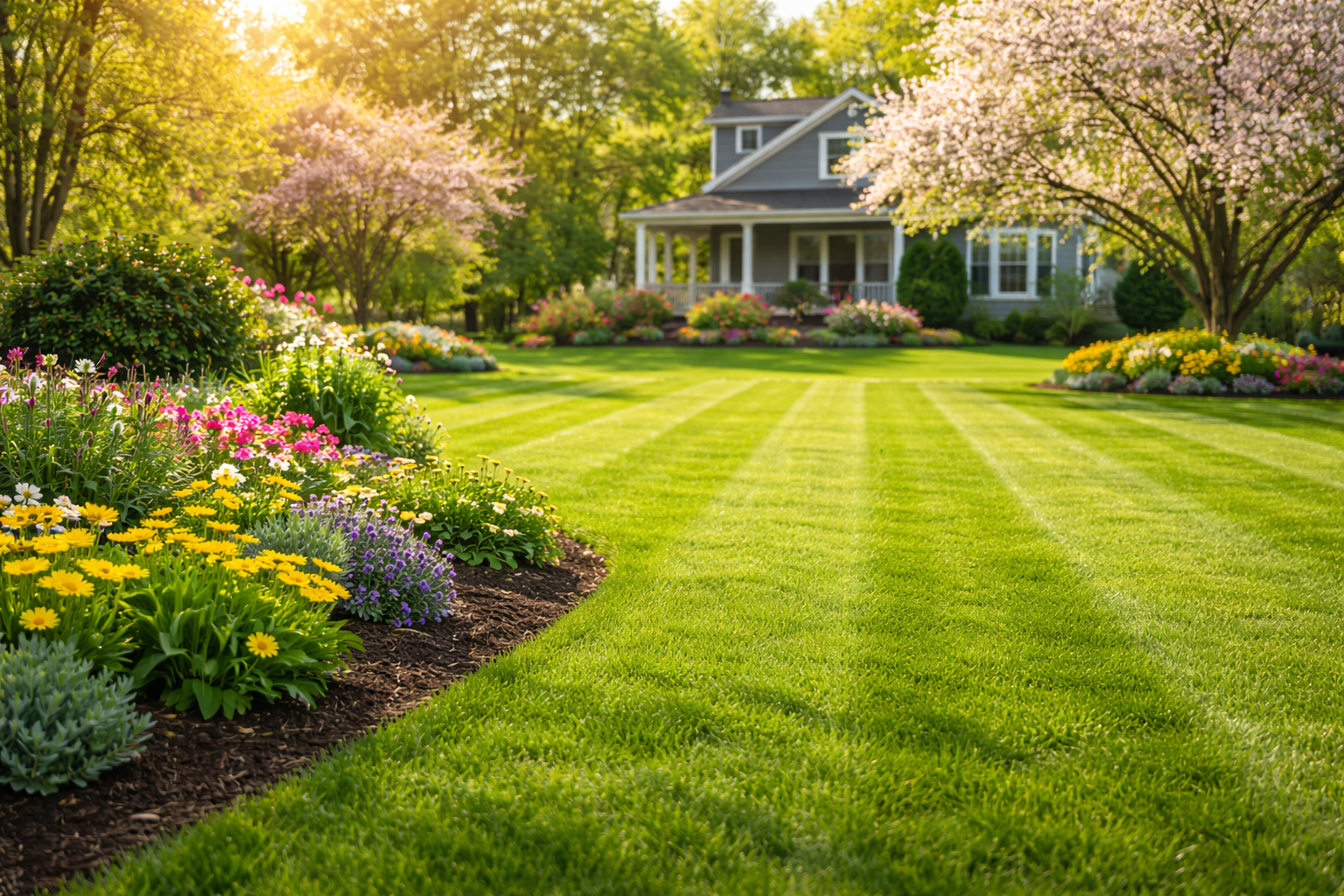
When we talk about textures in landscaping, we refer to the surface quality of plants, stones, and other materials used in your yard. Textures can range from smooth to coarse, fine to bold, and can be used strategically to create contrast and harmony. The right combination can transform your landscape into an engaging and balanced work of art.
One way to introduce texture is by integrating a variety of foliage. Different plant types offer a wealth of textures, from the glossy leaves of hostas to the feathery fronds of ferns. Ornamental grasses like feather reed grass or blue fescue can add both texture and motion, swaying beautifully with the breeze and creating a soothing, natural rhythm. Furthermore, plants with distinct textures, such as the spiky foliage of yuccas or the soft, velvety leaves of lamb's ear, can serve as focal points or accent pieces in your garden.
In addition to plant life, consider the use of hardscaping elements to further enhance your landscape design. Stone pathways, gravel areas, and decorative rock features introduce a plethora of textures that contrast beautifully with soft greenery. The juxtaposition of smooth stones with jagged rocks can create an eye-catching focal point that commands attention. Additionally, the installation of a water feature not only provides a soothing soundscape but also adds the reflective quality of water, multiplying the textural variations.
Wooden elements, such as pergolas, trellises, or garden benches, contribute warmth and natural beauty. The grain of the wood, when weathered, introduces a rustic texture, while painted or stained wood can be tailored to match the theme of your garden. These structures provide vertical interest and can support climbing plants, adding even more dimensions to your landscape.
When planning your texture-rich garden, balance is key. A landscape overwhelmed with competing textures can appear chaotic rather than harmonious. HillyGoat Lawn Care recommends selecting a primary texture theme and building upon it with complementary elements. Think about grouping plants with similar textures together for cohesion, then punctuating with contrasting elements to draw the eye.
It’s also wise to consider the year-round appeal. While flowers may come and go with the seasons, the strategic placement of textured elements ensures your garden remains interesting through every season. Evergreen shrubs, bark textures, and sculptural tree forms maintain structure and interest even in the dormant winter months.
In conclusion, the artful layering of textures offers an opportunity to turn a simple garden into a dynamic landscape masterpiece. Whether you choose to introduce bold, contrasting textures or aim for a more harmonious composition, thoughtful texture selection can elevate your garden from ordinary to extraordinary. Trust in HillyGoat Lawn Care to guide you in crafting an inspiring and texturally diverse landscape that will not only enhance the beauty of your home but also provide a welcoming retreat that you and your guests will enjoy year-round.
/filters:no_upscale()/filters:format(webp)/media/9213c6e8-cf98-473a-855e-7b49a54eae45.jpg)
/filters:no_upscale()/filters:format(webp)/media/5e4e7376-cb49-4e5e-988e-f989f3158ea7.png)